

Health Awareness: Why It Matters and How It Can Transform Your Life
Admin User
Author
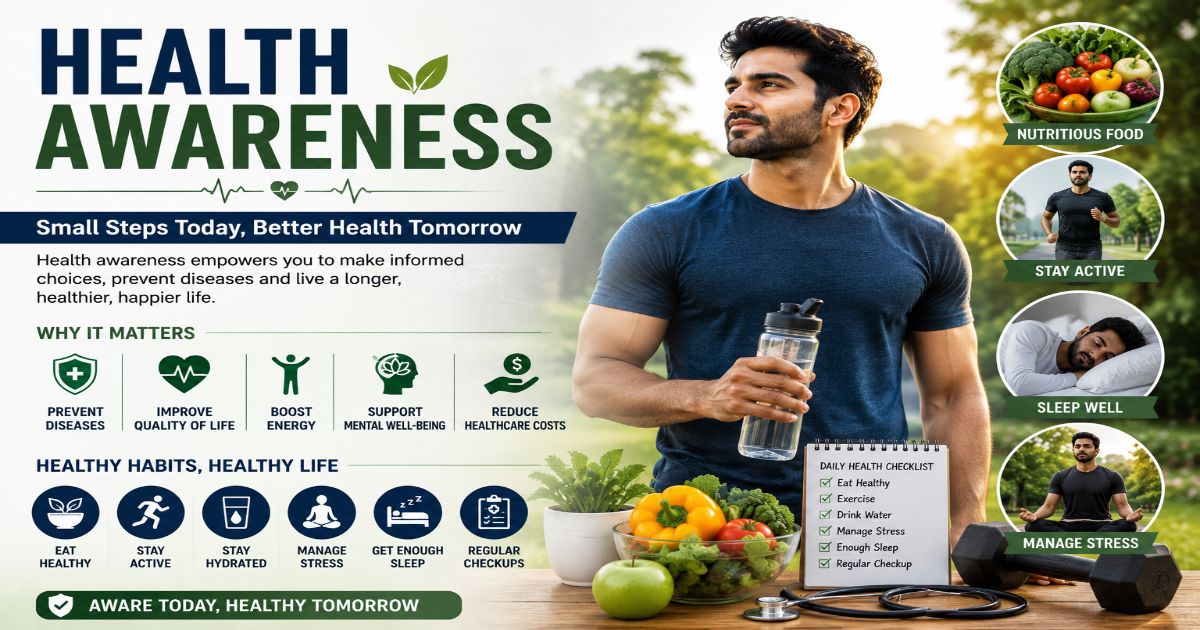
By understanding health risks, adopting healthy habits, and seeking preventive care, people can lead longer, healthier, and more productive lives.
What Is Health Awareness?
Health awareness refers to having knowledge and understanding about factors that affect health, including:
Nutrition and diet
Physical activity
Mental health
Preventive healthcare
Disease prevention
Hygiene and sanitation
Lifestyle choices
Being health-aware means recognizing the importance of healthy habits and taking proactive steps to maintain overall wellness.
Why Is Health Awareness Important?
Health awareness helps people identify potential health risks before they become serious medical conditions.
Key Benefits of Health Awareness
1. Prevention of Diseases
Many chronic diseases such as diabetes, hypertension, heart disease, and obesity can be prevented through healthy lifestyle choices.
Health awareness encourages:
Regular health checkups
Healthy eating habits
Physical activity
Early disease detection
2. Improved Quality of Life
People who prioritize their health often experience:
Higher energy levels
Better physical fitness
Improved mood
Increased productivity
Better sleep quality
3. Better Mental Health
Mental health is an essential component of overall well-being.
Health awareness helps individuals:
Recognize signs of stress and anxiety
Seek professional support when needed
Practice stress-management techniques
Maintain emotional resilience
4. Reduced Healthcare Costs
Preventive healthcare is often more affordable than treating advanced diseases.
Regular screenings and healthy habits can help:
Reduce hospital visits
Minimize medication expenses
Prevent costly medical complications
Common Health Problems That Can Be Prevented
Many health conditions are linked to lifestyle factors.
Heart Disease
Risk factors include:
Smoking
Poor diet
Physical inactivity
High cholesterol
Type 2 Diabetes
Risk can be reduced through:
Healthy weight management
Balanced nutrition
Regular exercise
Obesity
Awareness about nutrition and physical activity helps maintain a healthy body weight.
Hypertension
Monitoring blood pressure and reducing excessive salt intake can significantly lower risks.
Essential Components of Health Awareness
Healthy Nutrition
A balanced diet provides the nutrients needed for optimal body function.
Include:
Fruits and vegetables
Whole grains
Lean proteins
Healthy fats
Adequate hydration
Limit:
Processed foods
Sugary beverages
Excessive salt
Trans fats
Regular Physical Activity
Exercise benefits nearly every organ system in the body.
Recommended activities include:
Walking
Cycling
Swimming
Strength training
Yoga
Adults should aim for at least 150 minutes of moderate exercise per week.
Mental Health Awareness
Mental well-being is equally important as physical health.
Healthy practices include:
Meditation
Deep breathing exercises
Social connections
Adequate sleep
Professional counseling when necessary
Sleep Hygiene
Quality sleep supports:
Immune function
Brain health
Hormonal balance
Emotional well-being
Most adults need 7–9 hours of sleep each night.
The Role of Preventive Healthcare
Preventive healthcare focuses on avoiding illness before it develops.
Important Preventive Measures
Annual health checkups
Blood pressure monitoring
Blood sugar testing
Cholesterol screening
Vaccinations
Dental examinations
Eye examinations
Early detection significantly improves treatment outcomes.
Health Awareness and Lifestyle Diseases
Modern lifestyles have contributed to a rise in chronic diseases worldwide.
Common Lifestyle Diseases
Diabetes
Hypertension
Obesity
Heart disease
Stroke
Fatty liver disease
Health awareness helps individuals understand risk factors and make healthier choices.
Simple Ways to Improve Health Awareness
Stay Informed
Use credible sources for health information and stay updated on preventive healthcare recommendations.
Schedule Regular Checkups
Routine health screenings help detect problems early.
Read Food Labels
Understanding nutritional information supports healthier food choices.
Practice Healthy Habits
Small daily actions can have a significant long-term impact.
Examples include:
Drinking more water
Walking daily
Eating more vegetables
Limiting tobacco and alcohol
Managing stress effectively
Health Awareness in the Digital Age
Technology has made health information more accessible than ever.
Useful tools include:
Fitness trackers
Health apps
Telemedicine services
Online health consultations
Digital prescription management
These tools can help individuals monitor and improve their health.
Frequently Asked Questions
What is the main purpose of health awareness?
Health awareness helps people understand how lifestyle choices affect health and encourages preventive measures to reduce disease risk.
How can health awareness improve quality of life?
By promoting healthy habits, early disease detection, and preventive care, health awareness contributes to better physical and mental well-being.
Why is preventive healthcare important?
Preventive healthcare identifies potential health issues before they become serious, leading to better outcomes and lower healthcare costs.
How can I become more health-conscious?
Focus on balanced nutrition, regular exercise, quality sleep, mental wellness, and routine health checkups.
Conclusion
Health awareness is one of the most powerful tools for achieving a healthier and happier life. Understanding how lifestyle choices affect physical and mental well-being enables individuals to take proactive steps toward disease prevention and overall wellness.
By prioritizing nutrition, exercise, mental health, preventive healthcare, and regular screenings, individuals can significantly improve their quality of life and reduce the risk of chronic diseases.
Remember, good health is not just about treating illness—it's about preventing it before it starts.
Related Articles
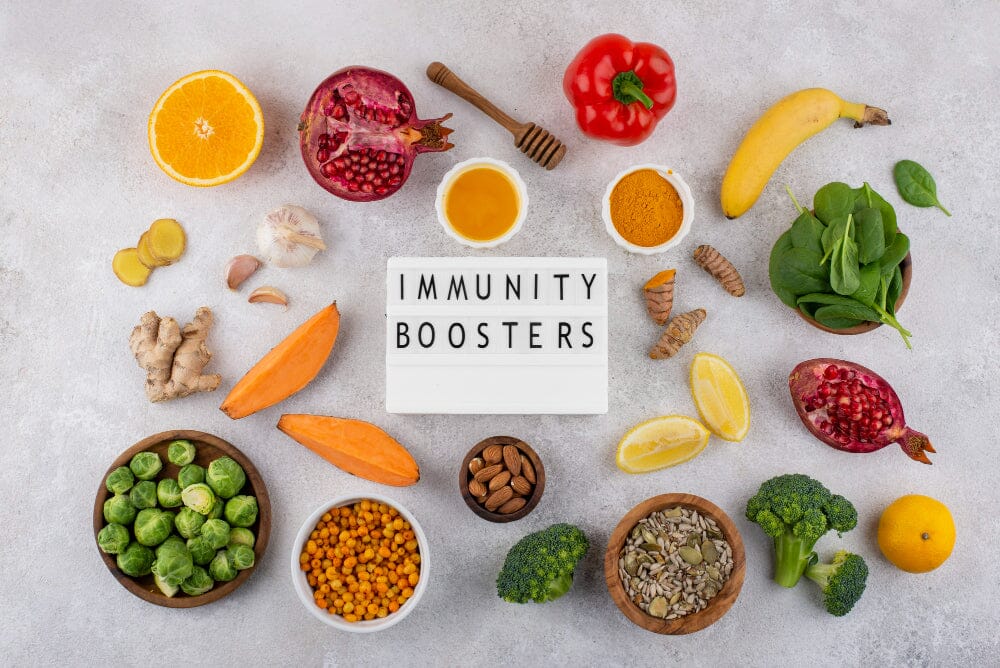
Vitamin B12 Deficiency: Symptoms, Causes, Foods & Prevention Tips
Discover natural ways to prevent vitamin B12 deficiency with B12-rich foods, healthy habits, and practical tips for men, women, and kids.
How Homeopathic Medicines Support Preventive Health: Benefits, Evidence & Everyday Wellness
Preventive healthcare is the cornerstone of a healthy life, combining balanced nutrition, regular exercise, quality sleep, stress management, and timely medical care. Alongside these evidence-based practices, many people choose homeopathy as a complementary approach to support their overall wellbeing. While homeopathic medicines are widely used for individualized care and holistic wellness, they should complement—not replace—proven preventive measures such as vaccinations, routine health screenings, and professional medical advice. Discover how homeopathy fits into an integrative approach to preventive health, what current scientific evidence says, and practical steps you can take to maintain long-term wellness.

Homeopathic Medicines for Viral Cold and Cough: Benefits, Evidence, Safety & When to See a Doctor
Homeopathic medicines continue to be used by many people for viral cold and cough because of personal preference, cultural tradition, or interest in complementary medicine. However, the best available scientific evidence does not demonstrate that homoeopathic remedies treat or cure viral respiratory infections. Most uncomplicated viral colds recover with supportive care, including hydration, rest, and symptom management. If symptoms become severe or fail to improve, consult a qualified healthcare professional promptly.