

Vitamin B12 Deficiency: Symptoms, Causes, Foods & Prevention Tips
Admin User
Author
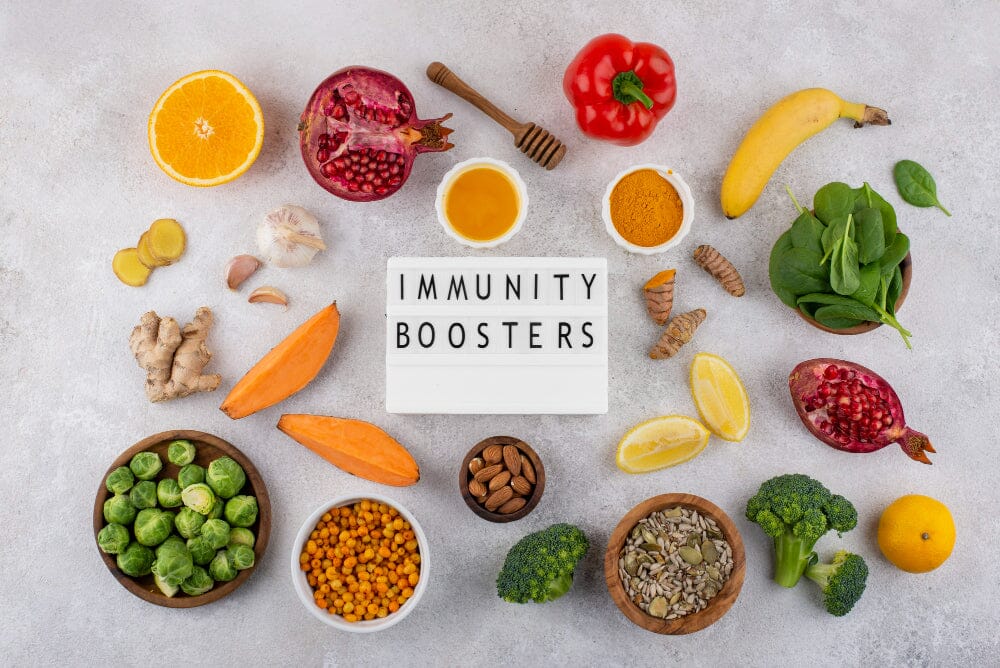
Vitamin B12 Deficiency: Symptoms, Causes, Foods & Natural Prevention Tips for Men, Women and Kids Vitamin B12, also known as cobalamin, is an essential nutrient required for healthy nerve function, red blood cell formation and DNA synthesis. A lack of vitamin B12 can lead to fatigue, weakness, anemia and neurological symptoms. Vitamin B12 deficiency can occur in anyone, but the risk may be higher among vegetarians and vegans, older adults, pregnant or breastfeeding women, and people with conditions or medications that affect B12 absorption. The good news is that many cases can be prevented or identified early through a balanced diet, fortified foods, appropriate supplementation when recommended, and periodic medical evaluation. Important: This article is for general health awareness. Vitamin B12 deficiency should be confirmed with appropriate blood testing and evaluated by a qualified healthcare professional. Food, herbal remedies or homeopathy should not replace medically recommended B12 treatment. What Does Vitamin B12 Do? Vitamin B12 contributes to several important functions, including: * Healthy red blood cell production * Normal nerve function * DNA synthesis * Normal energy metabolism * Brain and neurological health Because the body can store B12 for a long time, deficiency may develop gradually and symptoms can sometimes be overlooked. What Causes Vitamin B12 Deficiency? Common risk factors include: * Low intake of animal-derived foods * Strict vegetarian or vegan diets without reliable fortified foods or supplementation * Problems affecting B12 absorption * Certain gastrointestinal disorders or surgeries * Increasing age * Long-term use of some medicines, including metformin and acid-suppressing medicines * Increased nutritional requirements or inadequate intake during pregnancy and breastfeeding Common Vitamin B12 Deficiency Symptoms Possible symptoms include: * Persistent tiredness or weakness * Pale skin * Tingling or numbness in the hands and feet * Difficulty concentrating * Memory problems * Balance problems * Sore or swollen tongue * Reduced appetite * Mood changes Symptoms can have many different causes, so they should not automatically be attributed to B12 deficiency. ⸻ 1. Vitamin B12-Rich Foods: Start With Your Diet Vitamin B12 occurs naturally mainly in animal-derived foods. Good dietary sources include: For Non-Vegetarians * Fish and seafood * Chicken and other poultry * Eggs * Meat * Liver and other organ meats For Vegetarians * Milk * Curd/yogurt * Paneer * Cheese * Eggs, if included in the diet The amount of B12 varies considerably between foods, so eating a balanced variety is preferable to relying on one food alone. Fortified Foods for Vegetarians and Vegans People who avoid animal products may need reliable sources of fortified vitamin B12, such as: * B12-fortified plant-based milk * Fortified breakfast cereals * Fortified nutritional yeast * Other foods specifically labelled as containing vitamin B12 Always check the nutrition label because not every plant-based product contains B12. ⸻ 2. Can Herbal Foods Prevent Vitamin B12 Deficiency? Herbs such as ginger, fennel, ajwain, amla and fenugreek are traditionally used in Indian households for digestive and general wellness purposes. However, they are not reliable sources of vitamin B12 and should not be considered a treatment for B12 deficiency. You can include these ingredients as part of a balanced diet if they suit you, but correcting an actual B12 deficiency requires an adequate B12 source and, when necessary, medically recommended supplementation. A Simple Digestive-Wellness Routine * Ginger can be included in meals or beverages. * Fennel seeds may be used after meals according to personal preference. * Ajwain is traditionally used in Indian cooking. * Amla can be included as part of a varied diet. * Fenugreek can be used in normal culinary quantities. These foods support general nutrition but do not replace vitamin B12. ⸻ 3. What About Homeopathy for Vitamin B12 Deficiency? Homeopathic remedies such as Kali Phosphoricum, China Officinalis, Natrum Muriaticum and Ferrum Phosphoricum are traditionally used by some practitioners for symptoms such as fatigue or weakness. However, there is not strong clinical evidence that homeopathy can correct a vitamin B12 deficiency or restore depleted B12 stores. If blood tests confirm B12 deficiency, do not delay appropriate B12 treatment in favour of homeopathy. A qualified healthcare professional can determine whether dietary changes, oral B12 supplementation or injections are appropriate. Homeopathy, if chosen, should be considered complementary rather than a substitute for evidence-based correction of confirmed deficiency. ⸻ 4. Vitamin B12 Prevention Tips for Men Men can reduce their risk of B12 deficiency by: * Including B12-containing foods regularly * Choosing eggs, dairy, fish, poultry or other suitable sources according to dietary preference * Using reliable fortified foods if following a vegetarian or vegan diet * Avoiding excessive alcohol consumption * Discussing B12 testing with a healthcare professional if persistent fatigue, numbness or other concerning symptoms occur Older adults may have a higher risk of impaired B12 absorption and should discuss appropriate screening with their doctor. ⸻ 5. Vitamin B12 Tips for Women Women should pay particular attention to overall nutritional intake during: * Pregnancy * Breastfeeding * Preconception planning * Vegetarian or vegan diets Pregnancy increases nutritional requirements, and B12 status is important for maternal and fetal health. Women planning pregnancy or who are pregnant should discuss vitamin B12 and other nutritional requirements with their doctor rather than relying solely on home remedies. ⸻ 6. Vitamin B12 for Children Vitamin B12 is important for normal growth and neurological development. Children should receive an age-appropriate balanced diet containing reliable sources of B12. Suitable options may include: * Milk and dairy products * Eggs * Fish or meat where appropriate * B12-fortified foods * Doctor-recommended supplements when necessary Parents should speak with a pediatrician if a child has persistent tiredness, poor appetite, developmental concerns, weakness or other unexplained symptoms. Do not give children vitamin supplements or homeopathic medicines without appropriate professional guidance. ⸻ 7. Simple Daily Habits to Support B12 Nutrition A practical routine can include: 1. Include a reliable B12 food source in your regular diet. 2. If vegetarian or vegan, check whether your foods are fortified with B12. 3. Maintain a balanced diet containing adequate protein, fruits and vegetables. 4. Avoid excessive alcohol consumption. 5. Discuss supplementation with a healthcare professional if you have B12 risk factors. 6. Consider appropriate blood testing if you have persistent symptoms or belong to a higher-risk group. 7. Do not rely on herbal remedies or sunlight to provide vitamin B12. Remember: Sunlight is important for vitamin D production, but it does not provide vitamin B12. ⸻ 8. When Should You Get a Vitamin B12 Test? Consider discussing testing with a healthcare professional if you experience: * Persistent unexplained fatigue * Tingling or numbness * Weakness * Memory or concentration difficulties * Balance problems * Pale skin * Sore or swollen tongue * Unexplained anemia * Persistent symptoms despite a healthy diet People following strict vegetarian or vegan diets, older adults, pregnant women, and people taking medicines that can affect B12 absorption may also benefit from discussing B12 status with their healthcare provider. A healthcare professional may recommend vitamin B12 testing along with other blood tests depending on your symptoms and medical history. ⸻ Frequently Asked Questions About Vitamin B12 What is vitamin B12 deficiency? Vitamin B12 deficiency occurs when the body does not have enough vitamin B12 to meet its needs. It can affect red blood cell production and the nervous system. What are the first signs of B12 deficiency? Common symptoms can include fatigue, weakness, pale skin, tingling or numbness, and difficulty concentrating. Symptoms vary between individuals. Which foods are highest in vitamin B12? Fish, seafood, meat, liver, eggs and dairy products can provide vitamin B12. Fortified foods can provide an important alternative for people who avoid animal products. Can vegetarians get enough B12 naturally? Vegetarians may obtain some B12 from dairy and eggs, depending on their diet. Strict vegans generally need reliable fortified foods or B12 supplementation because unfortified plant foods are not dependable sources. Can home remedies cure B12 deficiency? No. Household herbs and traditional remedies should not be relied upon to correct confirmed B12 deficiency. Can sunlight increase vitamin B12? No. Sunlight helps the body produce vitamin D, not vitamin B12. Is B12 deficiency dangerous? Untreated or prolonged B12 deficiency can cause anemia and neurological problems. Persistent symptoms should therefore be medically evaluated. ⸻ Take Control of Your Health With Telprix Good healthcare starts with awareness, early testing and professional guidance. Through Telprix, you can explore convenient healthcare services including: * 🧪 Book Lab Tests * 🏠 Home Sample Collection * 👨⚕️ Online Doctor Consultation * 💊 Order Medicines * 🌿 Homeopathy & Wellness * ❤️ Health & Wellness Information If you are concerned about vitamin B12 deficiency, speak with a healthcare professional and consider appropriate laboratory testing rather than relying on symptoms alone. Telprix — One Call Does It All. https://www.telprix.com/ Medical Disclaimer This article is intended for general educational and informational purposes only. It does not diagnose, treat, cure or prevent any disease. Vitamin B12 deficiency should be confirmed and managed with appropriate medical evaluation. Dietary supplements, medicines, herbal products and homeopathic remedies should be used according to professional advice, particularly for children, pregnant or breastfeeding women, older adults and people with existing medical conditions. https://www.telprix.com
Related Articles
How Homeopathic Medicines Support Preventive Health: Benefits, Evidence & Everyday Wellness
Preventive healthcare is the cornerstone of a healthy life, combining balanced nutrition, regular exercise, quality sleep, stress management, and timely medical care. Alongside these evidence-based practices, many people choose homeopathy as a complementary approach to support their overall wellbeing. While homeopathic medicines are widely used for individualized care and holistic wellness, they should complement—not replace—proven preventive measures such as vaccinations, routine health screenings, and professional medical advice. Discover how homeopathy fits into an integrative approach to preventive health, what current scientific evidence says, and practical steps you can take to maintain long-term wellness.

Homeopathic Medicines for Viral Cold and Cough: Benefits, Evidence, Safety & When to See a Doctor
Homeopathic medicines continue to be used by many people for viral cold and cough because of personal preference, cultural tradition, or interest in complementary medicine. However, the best available scientific evidence does not demonstrate that homoeopathic remedies treat or cure viral respiratory infections. Most uncomplicated viral colds recover with supportive care, including hydration, rest, and symptom management. If symptoms become severe or fail to improve, consult a qualified healthcare professional promptly.

🌿 Natural Ways to Boost Immunity: Healthy Habits & Herbal Support
A strong immune system starts with healthy daily habits. Discover how a balanced diet, quality sleep, regular exercise, and traditionally used herbal medicines like Ashwagandha, Tulsi, Giloy, Ginger, and Turmeric may support overall wellness. Read this easy-to-understand guide from Telprix for practical tips to help you stay healthy naturally.